
RTA cabinets online: what I learned after ordering from two suppliers for one kitchen.
I did not set out to compare two cabinet companies. I ended up doing it because the first order left me with upper cabinets that did not work for the finished layout I wanted. I kept the base cabinets, corrected the uppers through a second supplier, and came away with a much better checklist for anyone buying ready-to-assemble cabinets online.
My short answer
I would buy RTA cabinets online again, but I would never approve a large order by looking only at the overall kitchen drawing. I would verify every cabinet on the final parts list against the actual room, then read the freight, return and restocking terms before paying.
The cabinets were not the only thing that mattered. The order process mattered too.
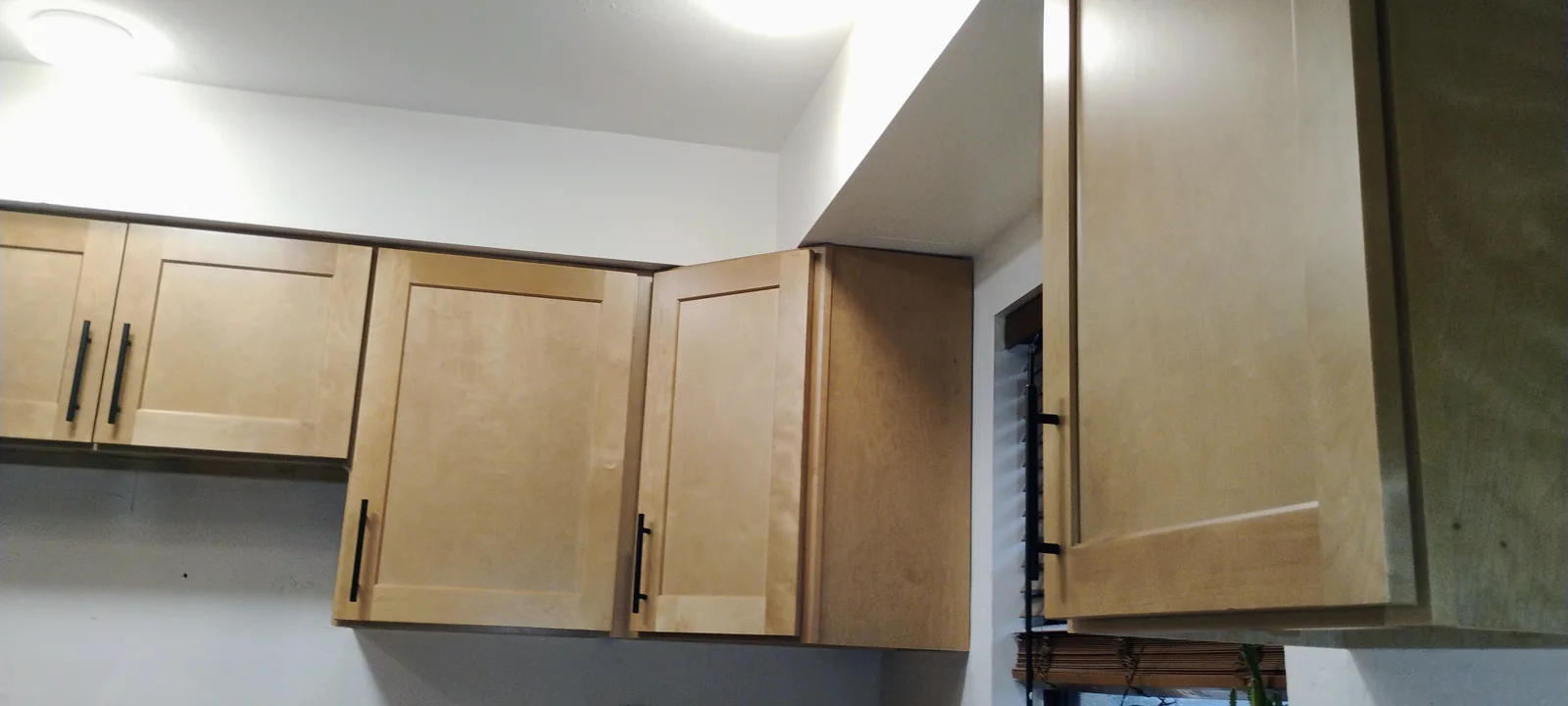
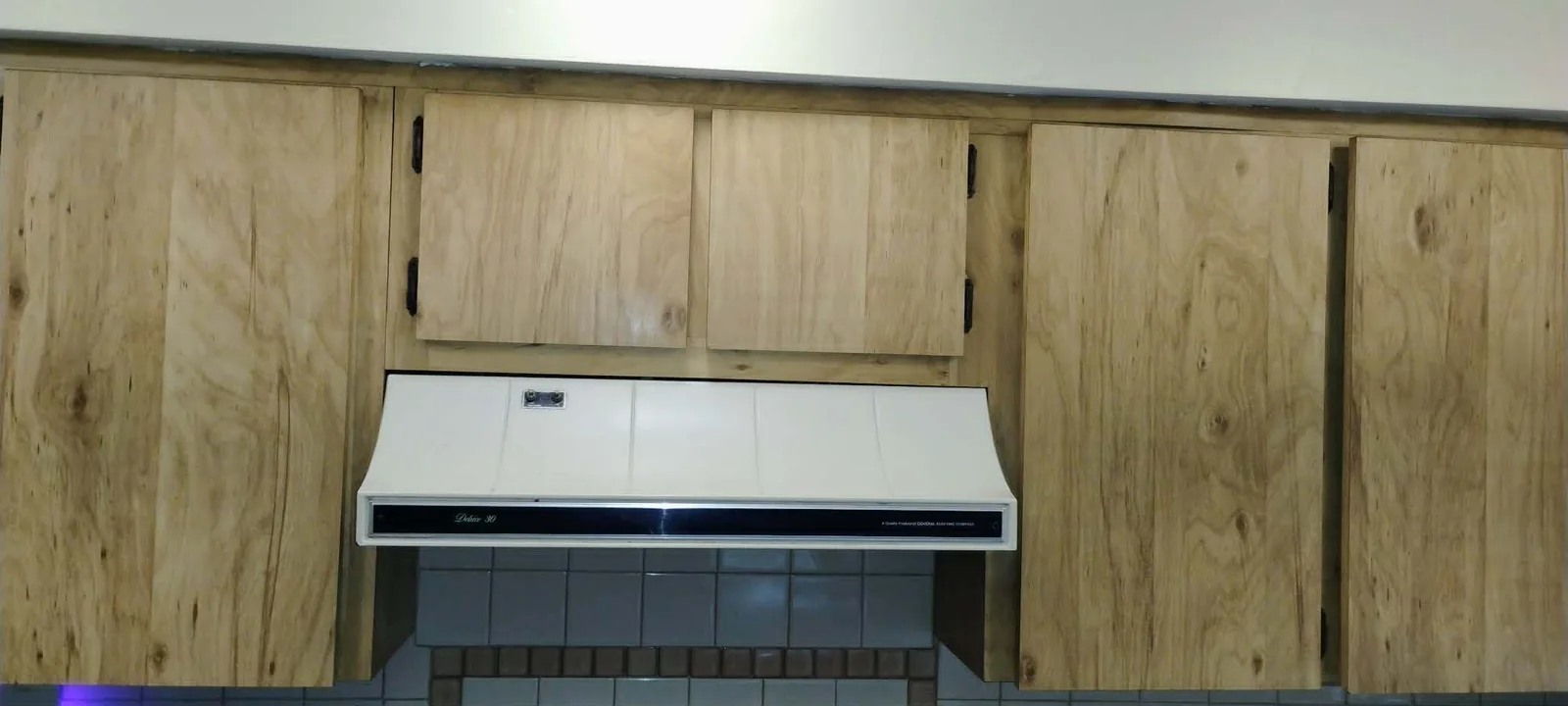
My first order was for Natural Wood Shaker RTA cabinets. The base cabinets worked for the project and I kept them. The major problem was the upper-cabinet height. The order included 42-inch upper cabinets, but for the finished proportions and layout I wanted in my 8-foot-ceiling kitchen, I needed 30-inch uppers.
That difference sounds simple before an order ships. After delivery, it can mean return freight, restocking calculations, replacement costs, schedule delays and another round of decisions. I decided not to automatically reorder the uppers from the same supplier. Instead I shopped again and purchased the 30-inch replacement uppers from CabinetSelect.
The second order felt different because CabinetSelect asked for the measurements needed to review the layout before the replacement order was finalized. After the first experience, that extra attention to the fit mattered more to me than another glossy rendering.
Wholesale Cabinets: what I learned
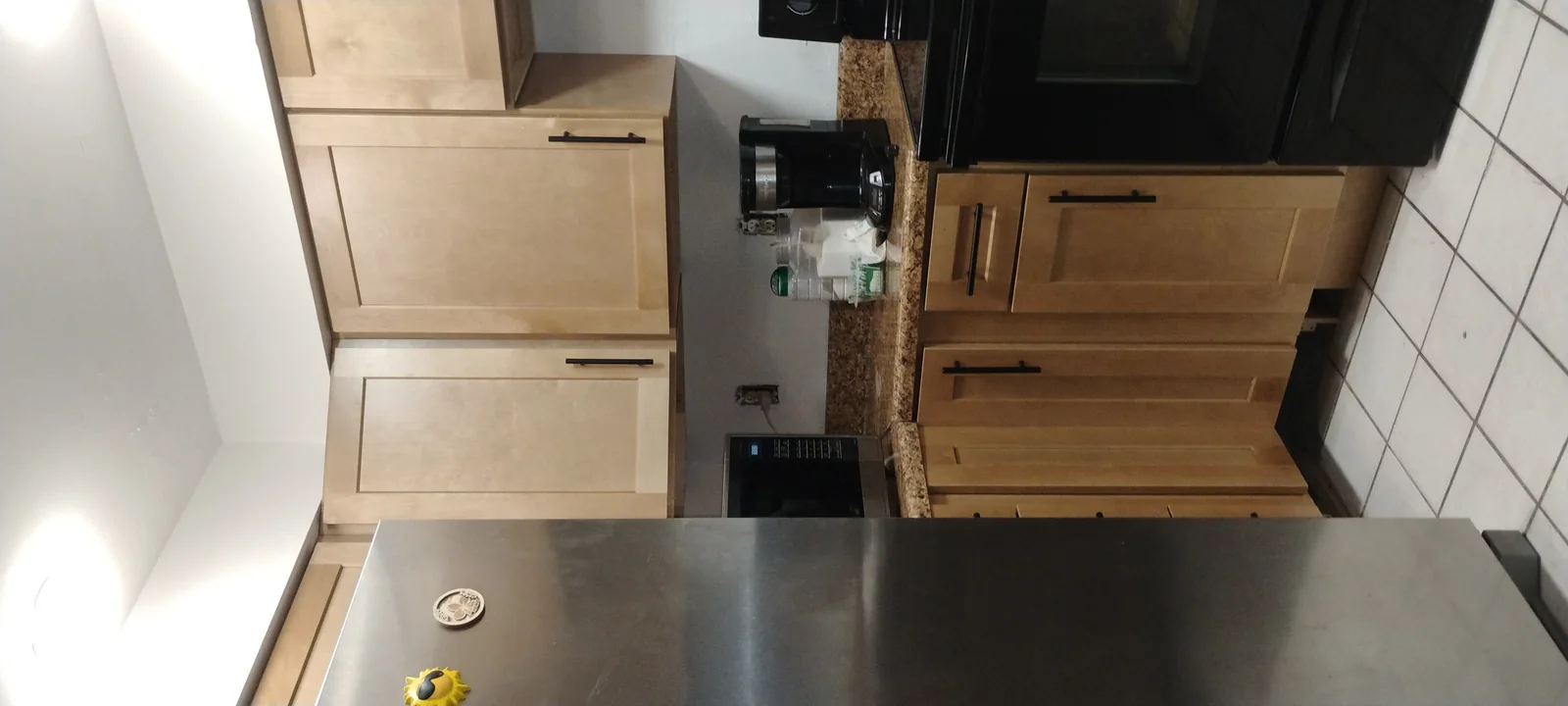
- The base cabinets worked and stayed in the kitchen.
- The upper-cabinet sizing became the costly issue.
- The experience taught me to verify the final parts list line by line.
- Return and freight terms can change the economics of a “good deal.”
CabinetSelect: what stood out
- I used CabinetSelect for the replacement 30-inch uppers.
- They asked for measurements before finalizing the cabinet plan.
- The replacement cabinets fit the layout I was trying to finish.
- The process felt more focused on how the cabinets would work in the room.
Before you approve an RTA cabinet order, verify these yourself.
Verify ceiling height, wall lengths, corners, soffits, windows, doors and anything else that limits cabinet placement.
Do not assume the rendering and the parts list tell the same story. Read the line items.
In my kitchen, 30-inch uppers worked better for the finished layout than the 42-inch uppers from the first order.
Small missing pieces can stop an installation just as effectively as a wrong cabinet.
A mechanism can be clever and still consume more usable storage than you want to give up.
A return policy matters most when something large and expensive is already sitting in your house.
Treat the final order like a construction document so you can verify exactly what was approved.
Price is only one column.
| What to compare | Why it matters | What I would ask |
|---|---|---|
| Design review | A cheap cabinet is expensive if the list is wrong for the room. | Who checks my measurements and final cabinet dimensions before I approve the order? |
| Construction details | RTA describes how the cabinet ships, not automatically how well it is built. | What are the box, drawer, door and hardware materials for this exact line? |
| Shipping | Cabinets are bulky, damage can happen and replacement timing matters. | How is freight delivered, what must I inspect, and how quickly must damage be reported? |
| Returns | Freight and restocking can erase the savings from a lower purchase price. | What is returnable after delivery, who pays freight, and what restocking fees apply? |
| Replacement parts | A damaged door or missing panel should not stall the whole kitchen. | How are shortages, damage and replacement components handled? |
| Actual support | The value of help shows up when something does not fit the plan. | Can I reach a person who understands the drawing and cabinet list? |
RTA can be a good value when you are willing to own part of the verification.
My experience did not convince me that buying cabinets online is a bad idea. It convinced me that the buyer needs to understand where the risk shifts.
RTA may make sense if…
- You are comfortable checking measurements and cabinet dimensions.
- You can review an itemized parts list carefully.
- You have time to assemble or coordinate assembly and installation.
- You understand freight delivery and inspection.
- The savings remain meaningful after shipping, fillers, panels and hardware are included.
Slow down if…
- You are relying entirely on a rendering without checking the cabinet list.
- The room has complicated corners, clearances or ceiling constraints.
- A return would be financially painful.
- You do not have a clear plan for delivery inspection and damage claims.
- You are choosing a supplier only because the headline price is lower.
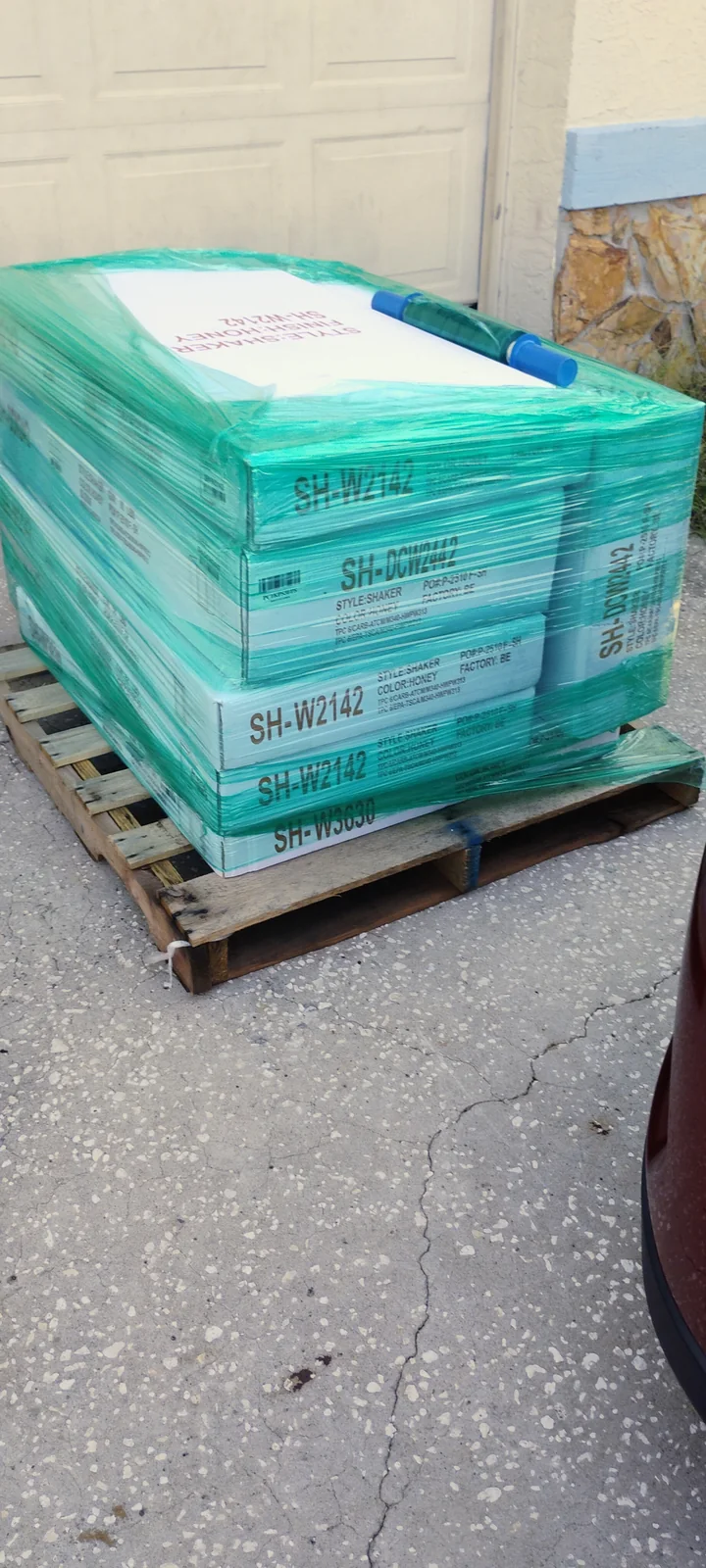
The box labels are part of the story.
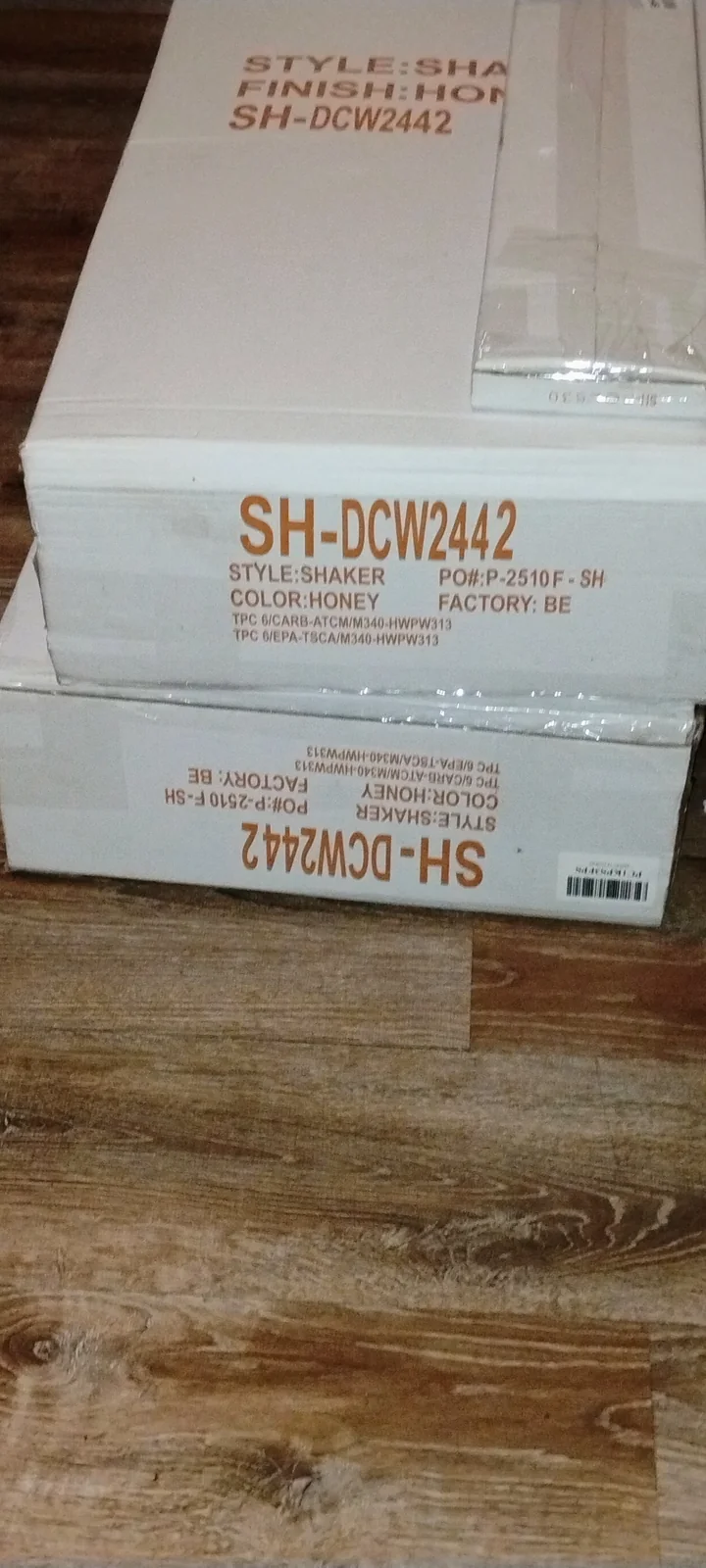
These are photos from the project itself. The delivery pallet includes wall-cabinet boxes marked with 42-inch-height model numbers, and the close-up shows a diagonal corner wall cabinet labeled DCW2442. This is why I now check the final itemized cabinet list instead of relying only on the overall rendering.
A supplier comparison is only useful if it explains what actually changed the outcome.
In this kitchen, the most important lesson was not a star rating. It was learning what to verify before an online cabinet order becomes freight sitting in the house.
Some WorthItScout pages may contain affiliate links. If you buy through one, WorthItScout may earn a commission at no additional cost to you. The cabinet experiences described here are based on purchases made for the kitchen project discussed on the site.